
How to Enhance Compliance with Effective Portfolio Monitoring in Luxembourg


Understanding the Importance of Portfolio Monitoring
Luxembourg has established itself as a premier financial hub, attracting asset managers and investment funds from around the globe. With this influx comes a pressing need for robust portfolio monitoring to ensure compliance with regulatory frameworks. Effective portfolio monitoring is not just a regulatory requirement but a strategic advantage that can enhance decision-making and risk management.
In Luxembourg, the regulatory environment is dynamic, with frequent updates necessitating agile compliance strategies. Ensuring that your portfolio monitoring processes are up-to-date is crucial for maintaining compliance and safeguarding investor interests.

Key Components of Effective Portfolio Monitoring
Automated Monitoring Tools
One of the most effective ways to enhance compliance is through the use of automated monitoring tools. These tools can track and analyze portfolio data in real time, offering insights that manual processes may miss. Automation reduces the risk of human error and allows for seamless integration of compliance checks into daily operations.
Regular Compliance Audits
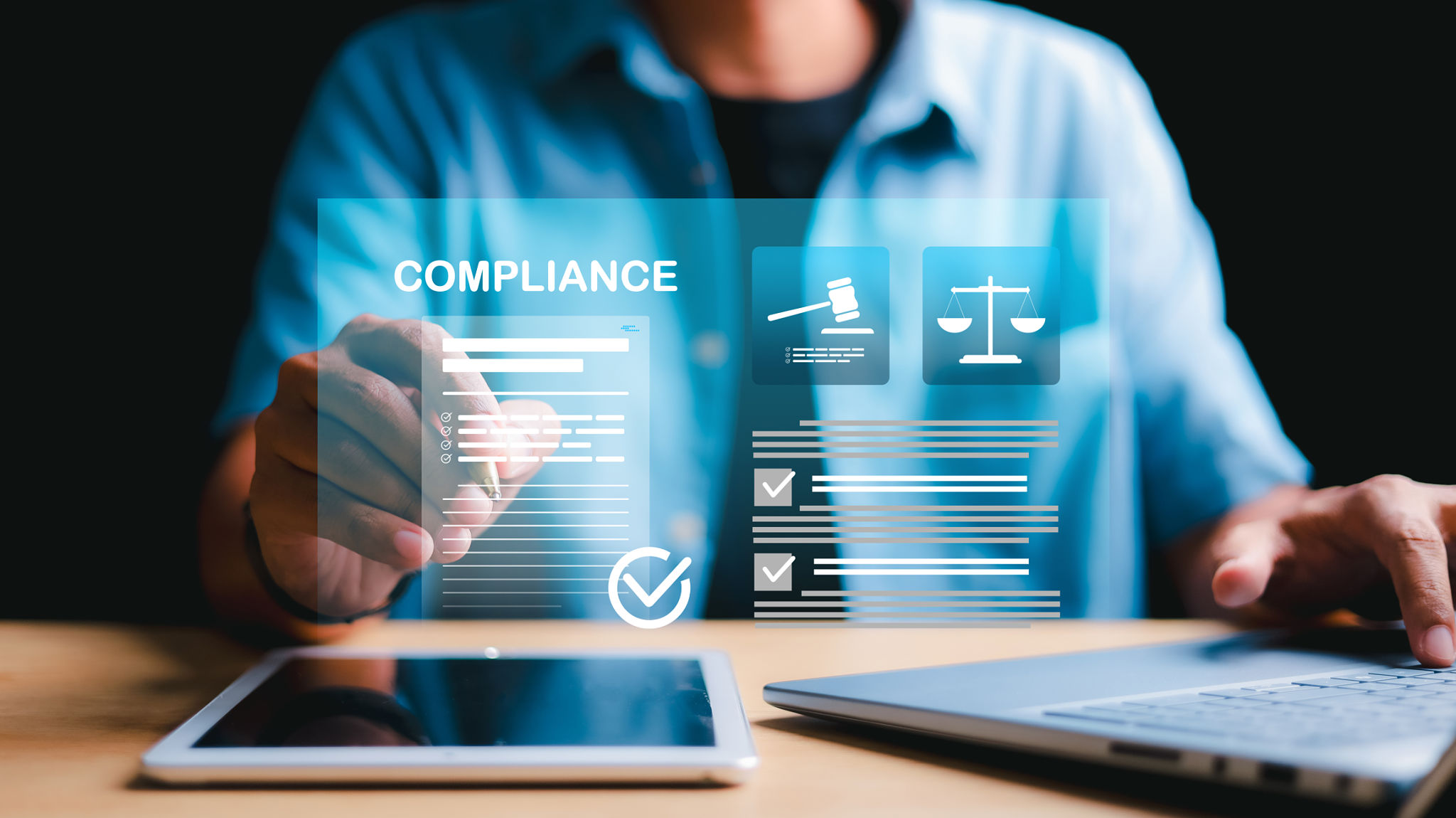
Conducting regular compliance audits is essential for identifying any discrepancies or areas of concern. These audits should be comprehensive, covering all aspects of portfolio management and ensuring alignment with Luxembourg's financial regulations.
Implementing a Risk Management Framework
A strong risk management framework is integral to effective portfolio monitoring. This involves identifying potential risks, assessing their impact, and developing strategies to mitigate them. By proactively managing risks, firms can enhance compliance and protect their portfolios from unforeseen challenges.
In Luxembourg, the emphasis on risk management is particularly pronounced, given the diversity and complexity of financial instruments managed in the region. Establishing clear guidelines and protocols for risk assessment can significantly improve compliance outcomes.

Training and Development for Compliance Teams
Continuous training and development of compliance teams are crucial for maintaining high standards of portfolio monitoring. As regulations evolve, so too must the skills and knowledge of those responsible for compliance. Regular workshops and training sessions can help keep teams updated on the latest regulatory changes and best practices.
In addition, fostering a culture of compliance within the organization can encourage proactive engagement with regulatory requirements, further enhancing portfolio monitoring efforts.
Leveraging Technology for Enhanced Compliance
Data Analytics and Reporting
Data analytics plays a pivotal role in enhancing compliance through portfolio monitoring. By leveraging advanced analytics, firms can gain deeper insights into portfolio performance, identify trends, and evaluate compliance risks. This data-driven approach can lead to more informed decision-making and improved regulatory adherence.
Blockchain for Transparency
Blockchain technology offers an innovative way to enhance transparency and traceability in portfolio monitoring. By providing an immutable record of transactions and changes, blockchain can help ensure that all compliance requirements are met, offering peace of mind to asset managers and investors alike.